Breaking News — 15 May 2026. Scientists are warning that a ‘supercharged’ El Niño, with an 82% chance of becoming “very strong,” could amplify climate extremes worldwide this year, driving record fire outbreaks and intensifying heatwaves, floods, and droughts, according to multiple forecasts.
“This El Niño event has the potential to supercharge extreme weather phenomena across the globe, from wildfires in Africa to flooding in South America,” said Dr. Friederike Otto, co-lead of World Weather Attribution (WWA). “We are already seeing record fire damage, and conditions are expected to worsen.”
Global Fires Reach Record High
Global fire outbreaks hit a “record high” in Africa, Asia, and elsewhere from January to April 2026, with more than 150 million hectares of land damaged — 20% more than the previous record. WWA data cited by Reuters shows the damage could become the “highest in recent history” if the El Niño pattern strengthens.

“The combination of El Niño and a positive Indian Ocean Dipole creates a perfect storm for fire risk,” said Dr. Sonia Seneviratne, climate scientist at ETH Zurich. “We must prepare for unprecedented fire seasons in multiple continents.”
US-China Energy Talks Amid Iran War Disruption
Simultaneously, US President Donald Trump and Chinese President Xi Jinping concluded two days of talks in Beijing, with energy security dominating the agenda. US Treasury Secretary Scott Bessent told CNBC that discussions included China “buying more US energy,” specifically from Alaska, as a response to the Iran war disrupting oil flows through the Strait of Hormuz.
“Production from Alaska would be a natural fit for China,” Bessent said. The two leaders agreed that the Strait of Hormuz must remain open to support “the free flow of energy,” as reported by the South China Morning Post.
However, climate cooperation was notably absent from the formal agenda. An article in Legal Planet noted that “the Trump-Xi meeting had no climate agenda,” adding that the two nations are now moving in “radically different directions” on climate policy.
Around the World
Ethiopia — Electric vehicles now make up 8% of the country’s car fleet, driven by soaring fuel prices and shortages. The Associated Press reports that African nations are increasingly switching to cleaner, cheaper transport.
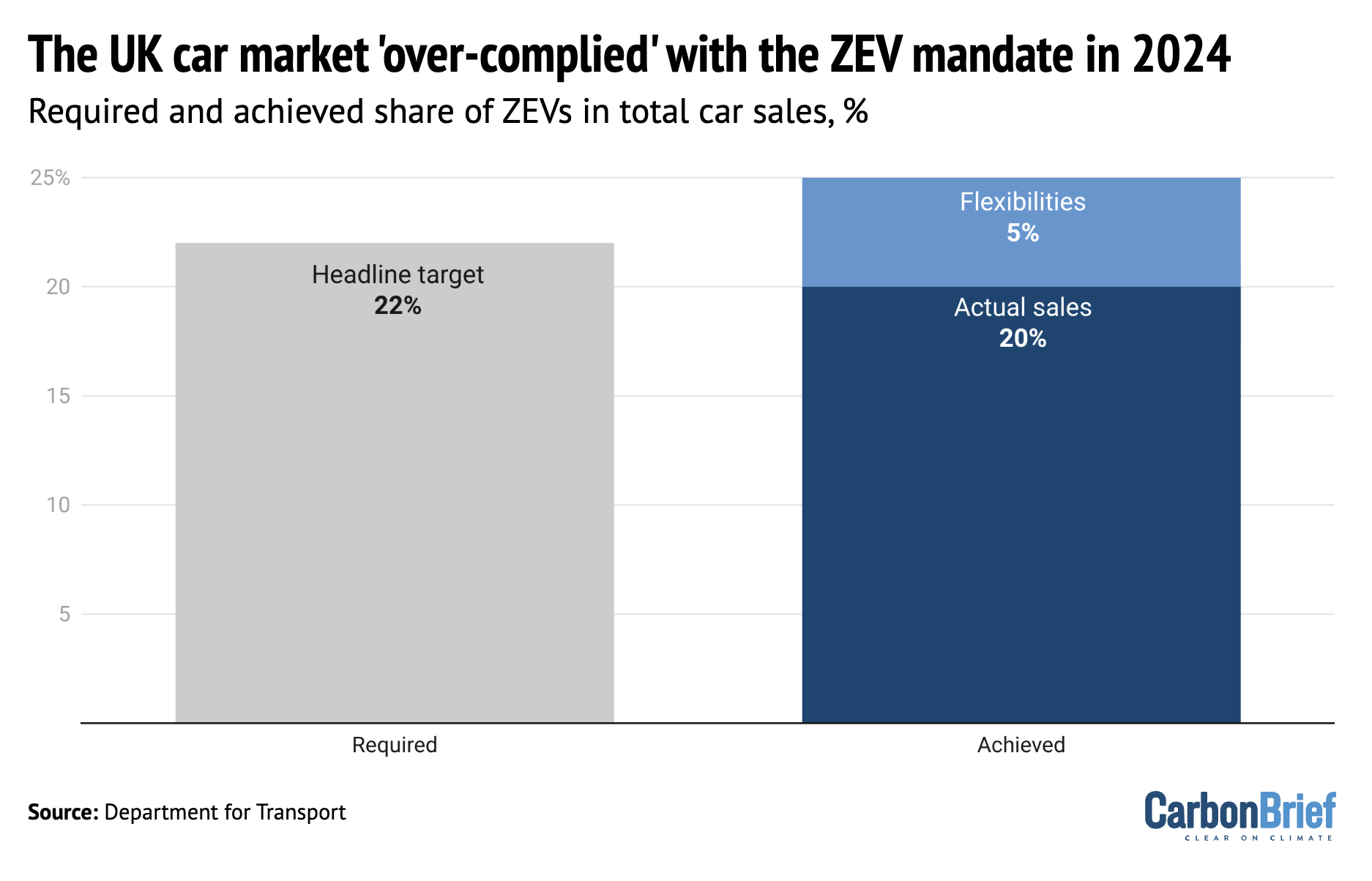
UK — The UK has halved its latest contribution to the UN’s Green Climate Fund (GCF), shifting funds from development aid to military spending. Climate Home News reports that the UK is no longer the top donor to the GCF, according to Carbon Brief.
Background
El Niño is a natural climate pattern characterized by warming of the central and eastern tropical Pacific Ocean. It disrupts global weather, often intensifying heatwaves, droughts, and floods. The 2026 event is expected to be especially strong, with a 82% probability of reaching “very strong” status, per an average of four weather forecasters cited by the Times.
The US-China energy talks come against the backdrop of the Iran war, which has threatened oil supplies through the Strait of Hormuz. Historically, the two countries have cooperated on climate issues, but recent policy divergence — with the US pulling back from global climate commitments — has strained that relationship.
What This Means
The convergence of an extreme El Niño and geopolitical tensions over energy supply creates a dual crisis. Without robust US-China climate collaboration, efforts to mitigate global warming and adapt to its impacts may falter. Meanwhile, the record fire damage signals that even without El Niño peak, climate change is already pushing ecosystems to breaking points.
“We are entering a period where climate and energy security are inextricably linked,” said Dr. Otto. “Decisions made now by world leaders will determine whether we can contain the worst of both.” The next few months will be critical as El Niño strengthens and fire seasons escalate.