Breaking: Major Browser Benchmark Update Announced
Today, Apple, Google, and Mozilla jointly released JetStream 3.0, a landmark update to the cross-browser performance testing suite. The new version addresses a critical flaw in its predecessor, where WebAssembly (Wasm) workloads could produce infinite scores—a sign that browser engines had outpaced the benchmark.
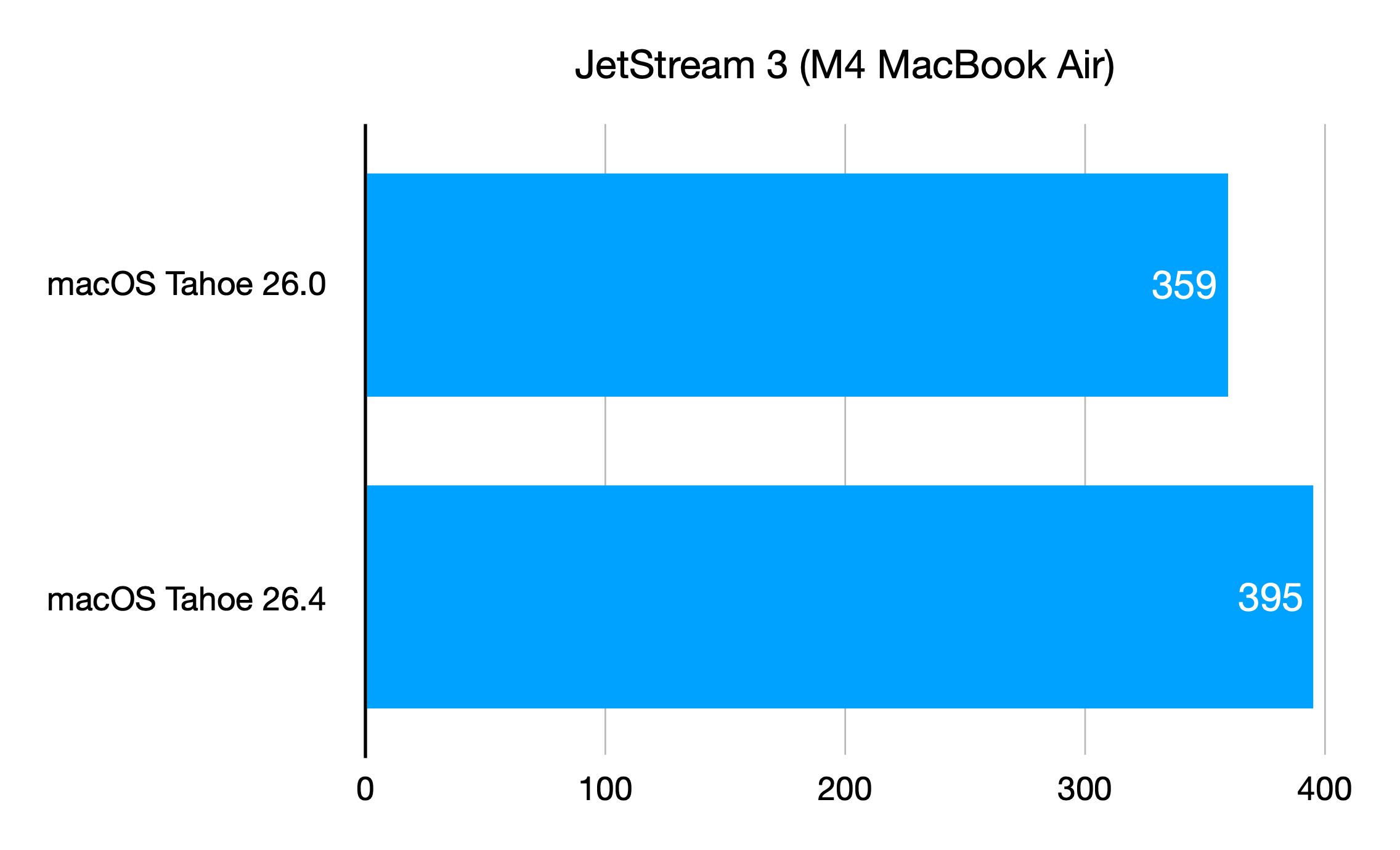
“We’ve fundamentally rethought how we measure Wasm performance,” said a WebKit performance engineer speaking on background. “JetStream 3 doesn’t just refresh the tests; it changes the scoring model to reflect real-world web application behavior.”
Background: The Infinity Problem
JetStream 2, released in 2020, measured WebAssembly in two phases: startup and runtime. As browser engines optimized Wasm instantiation, startup times for many workloads dropped below one millisecond. Since the benchmark’s scoring formula was Score = 5000 / Time, a time of zero milliseconds resulted in an infinite score—effectively breaking the ranking.
A patch in JetStream 2.2 capped scores at 5000, but the underlying issue remained. “Getting an infinite score sounds like a victory, but it was a clear sign our tests no longer reflected real-world challenges,” the engineer explained.
Key Changes in JetStream 3
WebAssembly Benchmark Overhaul
JetStream 3 eliminates the problematic startup/runtime split. Instead, it uses a single, integrated score that accounts for both instantiation and execution—without relying on sub-millisecond timing that breaks down at near-zero values.
The suite now includes larger, more complex Wasm modules that mimic modern applications: image decoders, UI frameworks, and cryptographic libraries. These workloads are designed to remain relevant even as engines continue to improve.
Collaboration Across Vendors
This update is the product of a joint effort between WebKit (Safari), V8 (Chrome), and SpiderMonkey (Firefox) teams. “We share a common goal: advancing web performance in a way that matters to users,” said a Google V8 contributor.
What This Means
For browser developers, JetStream 3 provides a more accurate and future-proof tool for optimization. The new Wasm tests ensure that progress in instantiation doesn’t hide performance bottlenecks in execution.
“Without this change, engines would chase vanishingly small startup gains while ignoring throughput,” the WebKit engineer noted. “JetStream 3 rebalances the incentives.”
For web users, better benchmarks translate to faster, more responsive sites—especially as WebAssembly becomes a cornerstone of modern web apps, from collaborative editing to video streaming.
Next Steps for Developers
The JetStream 3 source code and documentation are available on GitHub. Browser vendors encourage developers to run the suite in the latest versions of Safari, Chrome, and Firefox, and to report any inconsistencies.
“This is a live benchmark,” the Mozilla contributor added. “We expect to iterate based on community feedback, just as we did with JetStream 2.”