Breaking: Frontier AI Reshapes Cyber Defense Landscape
Mountain View, CA – The rapid advancement of frontier AI models from OpenAI, Anthropic, and Google DeepMind is accelerating a fundamental shift in cybersecurity, with AI-native defense now the only viable strategy against a surge in zero-day exploits and supply chain attacks. SentinelOne, a leading cybersecurity firm, today revealed that partnerships with these AI labs have been critical in developing autonomous systems capable of responding at machine speed—a necessity as attackers also leverage AI to find vulnerabilities faster than ever.

“Frontier models are not just getting smarter; they are redefining the pace of both attack and defense,” said a SentinelOne spokesperson. “The window to react has shrunk to milliseconds. Only AI that operates autonomously can close that gap.”
The announcement comes as recent supply chain attacks—including those targeting LiteLLM, Axios, and CPU-Z—demonstrate how novel threats exploiting unpatched, zero-day vulnerabilities can only be blocked by fully autonomous response. Traditional patch-based defenses are no longer sufficient.
“In the past weeks alone, we’ve seen attacks that leverage trusted agents and workflows in the AI era,” the spokesperson added. “Machine-speed, autonomous action was the only antidote.”
Background: The AI Arms Race
SentinelOne has worked closely with frontier AI labs for years, including OpenAI, Anthropic, and Google DeepMind. While specific collaboration details remain confidential, these partnerships have provided critical insight into how advanced models evolve and where they create real security impact. Many of these capabilities are now embedded in the SentinelOne platform, protecting customers from attacks no other solution can currently stop, including zero-day exploits.
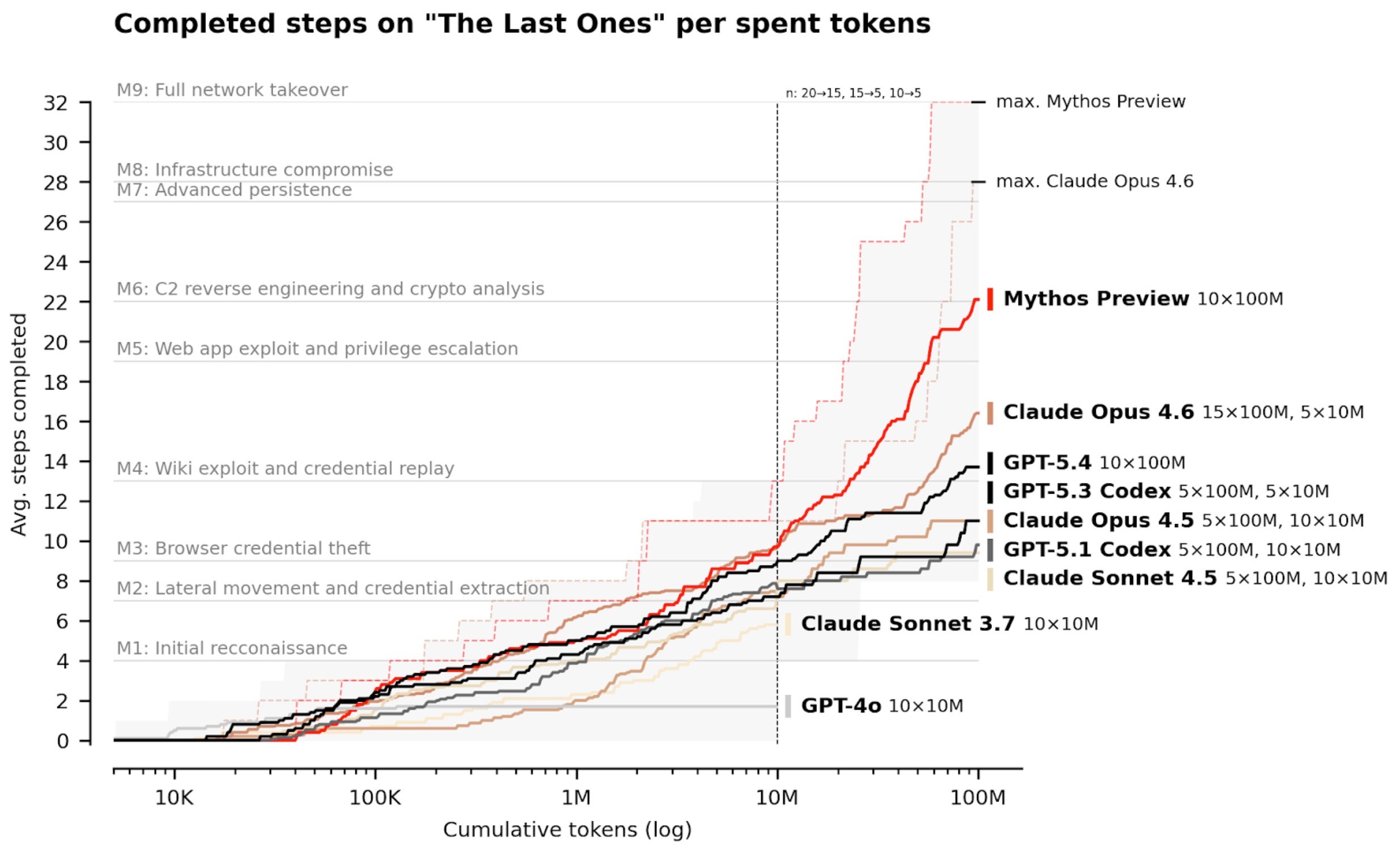
The core challenge is that AI is a double-edged sword. It helps defenders identify weaknesses, analyze complex systems, and reason about attack paths at scale. Simultaneously, it gives attackers speed and scale in finding new vulnerabilities. Progress in this race is essential, but raw vulnerability counts alone do not reflect real-world risk—many bugs are not exploitable in live environments due to architectural layers, controls, and runtime protections.
What This Means: A New Paradigm for Security
The gap between theoretical exposure and operational risk is large. What truly matters is the ability to understand real conditions, prioritize effectively, and stop active attacks across complex environments—even against novel threats and zero days. SentinelOne has championed this principle since its inception, building a platform that operates at machine speed using behavioral AI, automation, and autonomous protection across endpoints, cloud, identity, data, network, and AI attack surfaces.
“The value of an AI-native approach only grows as frontier models advance,” the spokesperson said. “Our long-term commitment to behavioral AI and autonomous response is what makes it possible to defend at the speed of modern attacks.”
As attackers increasingly weaponize AI, the cybersecurity industry must pivot from reactive patching to proactive, autonomous defense. Organizations that fail to adopt machine-speed protection risk being overwhelmed by the next wave of AI-driven zero-day exploits.